
The Only Things You Need to Prepare — Based on Where You Actually Are in Your Pregnancy
If you've been pregnant for more than five minutes, you've probably already been told to start your registry, research daycares, prep your freezer meals, pack your hospital bag, and plan your postpartum care. All at the same time. All right now.
Here's what I want you to know: most of that advice is too early. And pre-worrying about things you don't need to deal with yet doesn't make you more prepared. It just exhausts you months before you actually need the energy.
This is the Need-to-Know philosophy: you get the right information at the right time — not everything all at once in an overwhelming dump. A friend who had a premature baby once told me: "Why worry twice? Worrying now won't stop the future from happening." That stuck with me. It's the whole idea behind what we do here.
So here's your actual just-in-time guide — by month.
Months 1–2 (Weeks 4–8): Survive. Just Survive.
Your body is doing something extraordinary right now. It's surging with hormones, increasing your blood volume, and building an entirely new organ. You are not being dramatic. You are building a person.
The two or three things that deserve your attention right now:
Keep your prenatal appointments and take your prenatal vitamin. That is your entire job.
Rest without guilt. If fatigue is hitting you like a truck, that's appropriate. Your body is working overtime on things nobody can see.
Let yourself feel weird about the secrecy. The limbo of early pregnancy is disorienting. You don't need to process it perfectly — just know it's normal.
Skip for now: registries, nurseries, gear research, birth plans, childcare waitlists. It's not time.
Months 2–3 (Weeks 9–12): Build Your Foundation — The Human Kind
The noise is getting louder — ads, advice, apps, well-meaning family members. Tune it out. The only infrastructure that matters right now is made of people and professionals, not products.
Find a therapist now, before you need one urgently. Perinatal mental health support is not a luxury — it's preparation.
Start looking for a pelvic floor physical therapist. This is the body prep that actually matters more than anything else you'll read about. Ask your OB for a referral and start as early as you can.
Have the values conversation with your partner. What kind of parents do you want to be? Where do your approaches differ? Now — while you're not sleep-deprived — is the time.
If you are even considering daycare, get on the waitlists now. All of them. Infant care waitlists in many areas are 12+ months long. You do not need to have made a final decision — you can always say no when a spot opens. But you cannot get a spot that doesn't exist. This is one of the few things on this list where early action genuinely matters.
Skip for now: baby gear, registry, everything else childcare-related beyond getting on lists.
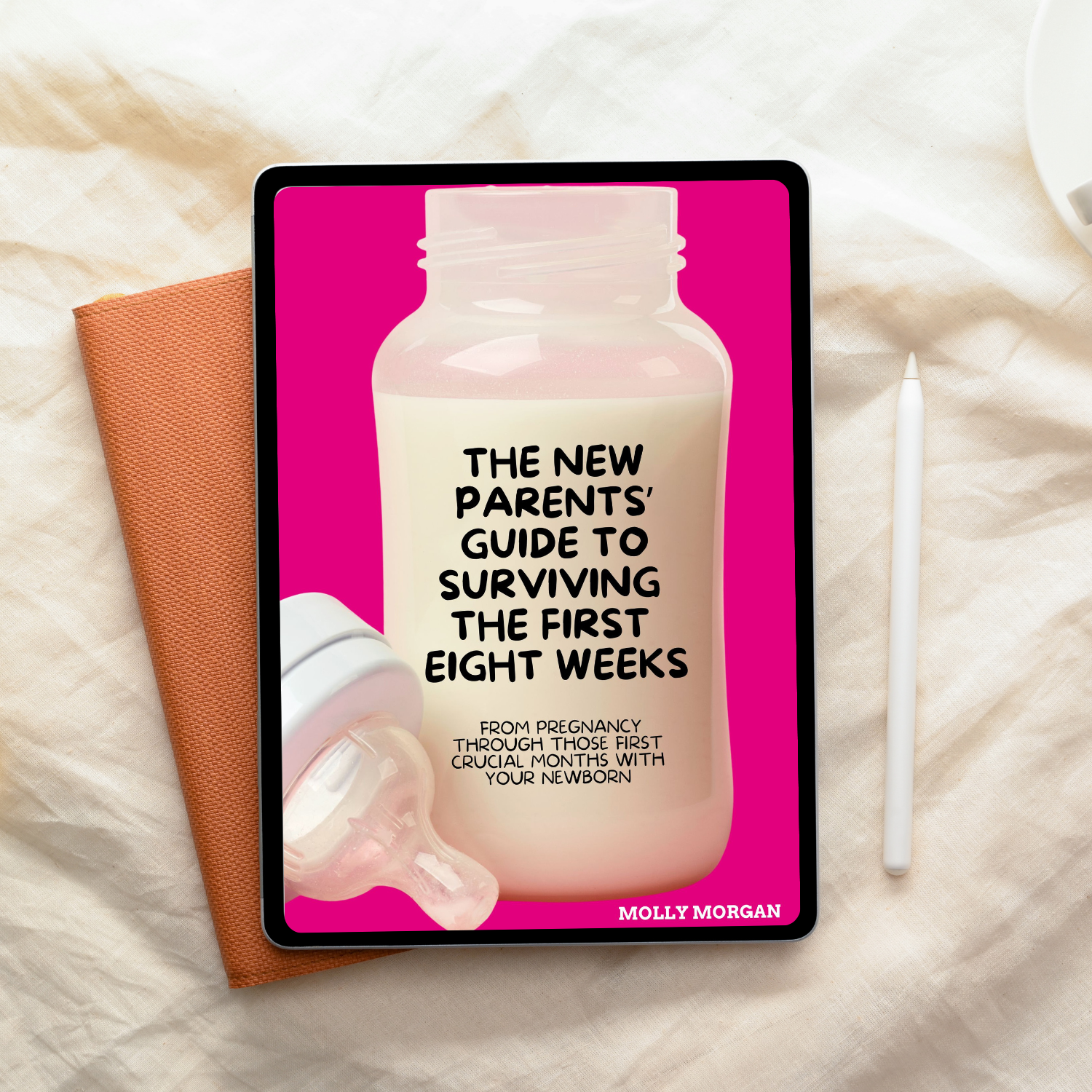
The book that tells you what actually matters — and gives you permission to ignore everything else. The course delivers your guidance when you need it. The book gives you the full picture whenever you want it. Some people like having both — to read ahead, to hand to a partner who isn't on the course, or just to have something to hold.
Instant access to the bestselling guide for first-time parents covering pregnancy, the newborn stage, and everything in between. No fear-mongering, no information overload. Just honest, practical support from a mom who has been through it.
This listing is for the digital download. You'll receive access immediately after purchase. Prefer a paperback? Grab it on Amazon.
Months 3–4 (Weeks 13–16): Let's Talk Money and Division of Labor
You might actually feel human again. Use this window. The big questions aren't about nursery themes — they're about whether you can afford this and who is doing what.
Have the money conversation. Look at your real numbers: parental leave, medical costs, childcare estimates, what changes if an income pauses. You have more control than you think, but only if you actually look at the math.
Start talking about division of labor — now, not after the baby arrives. The patterns you have today will intensify with a newborn. If the mental and physical load hasn't already shifted to account for your pregnancy, that conversation is overdue.
Identify your real support system. Not the people who will give advice — the people who will bring food, hold the baby so you can shower, and answer a text at 3 AM.

All the answers you need as a first-time parent — none of the noise, overwhelm, or 2 AM panic searches. We'll cover everything from what is actually going on in your body, how to navigate pregnancy with your sanity intact, the conversations and date nights you should be having with your partner, and all the baby-care support you need to get through those first two months with your newborn.
Months 4–5 (Weeks 17–20): The Registry Window (With Boundaries)
This is often the best stretch of pregnancy — more energy, visible bump, maybe the first flutters of movement. The baby industry is about to get very loud. Here's the truth: babies need food, a safe sleep space, diapers, and to be held. Everything else is optional.
Build your registry with a "less is more" filter. Don't buy before baby arrives what you could get in two days if you discover you actually need it. Prioritize safety over aesthetics.
Plan your baby shower if you want one. You feel good right now. Use it.
Continue pelvic floor PT. Don't drop this.
Skip for now: hospital bag packing, postpartum prep, childcare decisions. Not yet.
Months 5–7 (Weeks 21–31): The Big Practical Questions
This is when to tackle decisions that require research, not purchases.
Research childcare and confirm your waitlist status. If you got on lists in months 2–3, follow up. If you haven't gotten on lists yet, do it now — this window is closing.
Nail down your return-to-work plans. Is part-time possible? Does the childcare math work? These conversations go better now than in the newborn haze.
Keep preparing your body, not your house. Continue pelvic floor PT. A chiropractor trained in the Webster Technique can also help with pregnancy pain and pelvis prep for labor — worth looking into.
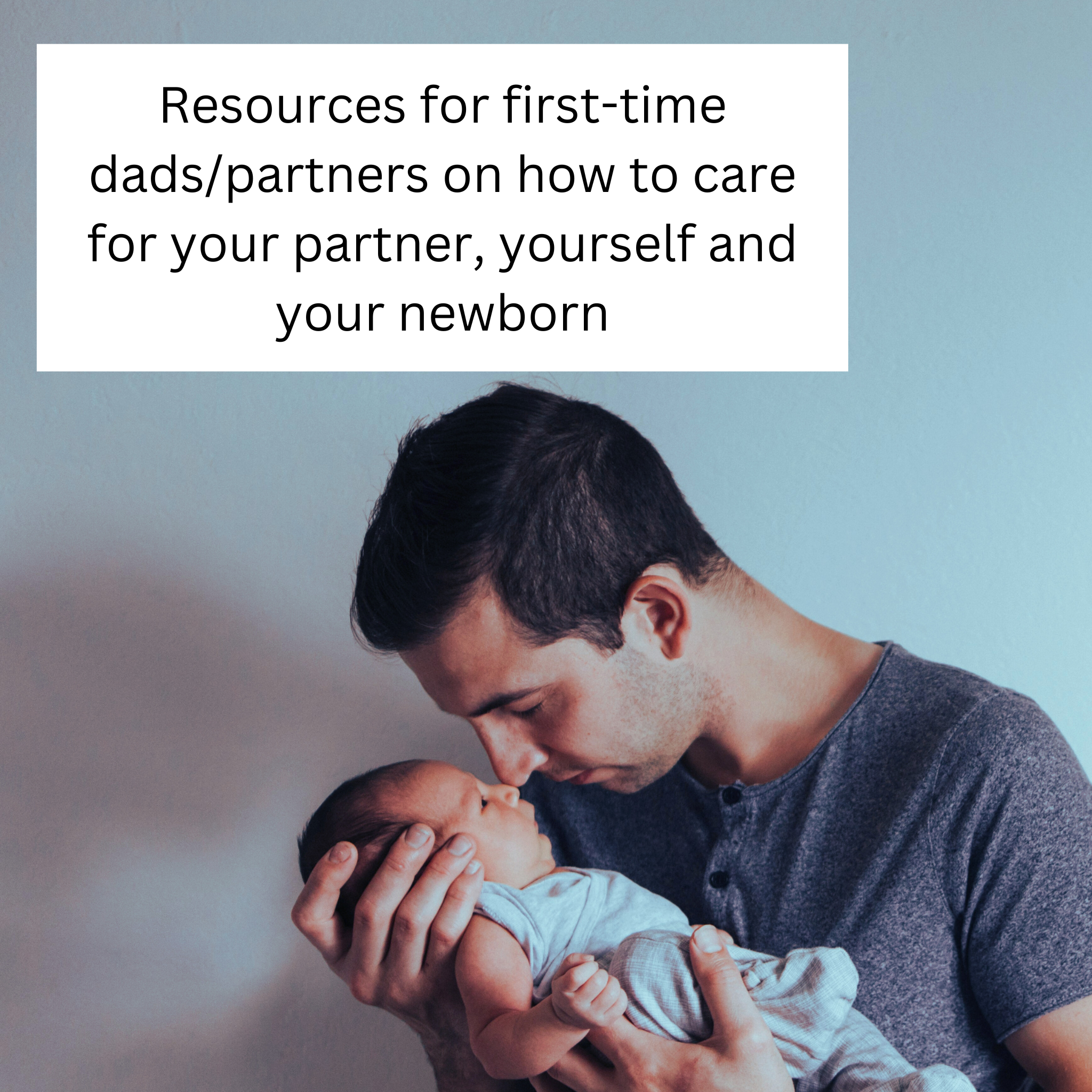
All the answers you need as a first-time parent — none of the noise, overwhelm, or 2 AM panic searches. We'll cover everything from how to show up for your partner during pregnancy, what is actually going on in their body, the conversations and date nights you should be having, and all the baby-care support you need to get through those first two months with your newborn.
Month 8 (Weeks 32–36): Now You Can Nest (Sort Of)
You're in the third trimester. This is when practical last-minute prep actually makes sense — not months ago. A few things to calibrate:
Pack your hospital bag — including yours. Your comfort matters. Don't pack only for the baby and show up unprepared for yourself.
On the nursery: Here's the thing nobody tells you — your baby will almost certainly sleep in your room for the first several months, not in their nursery. Safe sleep guidelines recommend room-sharing (not bed-sharing) until at least six months. So the nursery you're agonizing over? Your baby won't use it for a while. If setting it up brings you peace, do a basic version and call it done. You don't need it to be perfect, and you have time to finish it after the baby arrives. What you actually want ready before birth is a bassinet in your room, not a complete nursery.
On meal prep — keep it simple. You're going to see a lot of content about stockpiling freezer meals. Here's the honest reality: you'll make a bunch of things and then not want to eat them, because postpartum cravings don't follow a meal plan you made three months ago. Make or buy 3–5 freezer meals, full stop. More useful than elaborate cooking: stock up on one-handed snacks — protein bars, oatmeal balls, trail mix, hard-boiled eggs, apples and peanut butter. Things you can eat while holding a baby. And line up someone who can do a grocery run for easy foods while you're in the hospital. That's the actual prep that helps.
Set your visitor boundaries now, as a team. Who comes and when, how long they stay, what you actually need from them (help, not just baby-holding). Have this conversation before you're exhausted and emotional.
Month 9 (Weeks 37–40): Stop Preparing and Start Trusting
You've done what you needed to do. Now the work is getting out of your own head.
Understand what birth actually looks like — the realistic version. Talk to your provider about what to expect and stay flexible. A plan is great; rigidity is not.
Do a genuine mental health check-in. How are you actually feeling, emotionally? Pre-birth anxiety is real and normal. If it's overwhelming, now is the right time for support.
Accept that fear is appropriate. You're about to do something enormous. The fear doesn't mean you're not ready. It means you understand what's happening.
The Whole Point
You don't need to do everything right now. You need to do the right things at the right time — and trust that when something matters, we'll tell you.
That's exactly what the Need-to-Know course is built around: week-by-week guidance that arrives when it's actually relevant, so you're prepared without being overwhelmed. If you want to stop drowning in information and start getting just what you need, when you need it —join us here.
Featured Products
The book that tells you what actually matters — and gives you permission to ignore everything else. The course delivers your guidance when you need it. The book gives you the full picture whenever you want it. Some people like having both — to read ahead, to hand to a partner who isn't on the course, or just to have something to hold.
Instant access to the bestselling guide for first-time parents covering pregnancy, the newborn stage, and everything in between. No fear-mongering, no information overload. Just honest, practical support from a mom who has been through it.
This listing is for the digital download. You'll receive access immediately after purchase. Prefer a paperback? Grab it on Amazon.
All the answers you need as a first-time parent — none of the noise, overwhelm, or 2 AM panic searches. We'll cover everything from what is actually going on in your body, how to navigate pregnancy with your sanity intact, the conversations and date nights you should be having with your partner, and all the baby-care support you need to get through those first two months with your newborn.
All the answers you need as a first-time parent — none of the noise, overwhelm, or 2 AM panic searches. We'll cover everything from how to show up for your partner during pregnancy, what is actually going on in their body, the conversations and date nights you should be having, and all the baby-care support you need to get through those first two months with your newborn.